
Women in Finance Rwanda, in partnership with the National Bank of Rwanda (NBR) and Access to Finance Rwanda (AFR), officially launched the Women in Financial Services Rwanda 2025 Study, bringing together leaders from across Rwanda’s financial sector to discuss the future of women’s leadership and the findings of this landmark study.
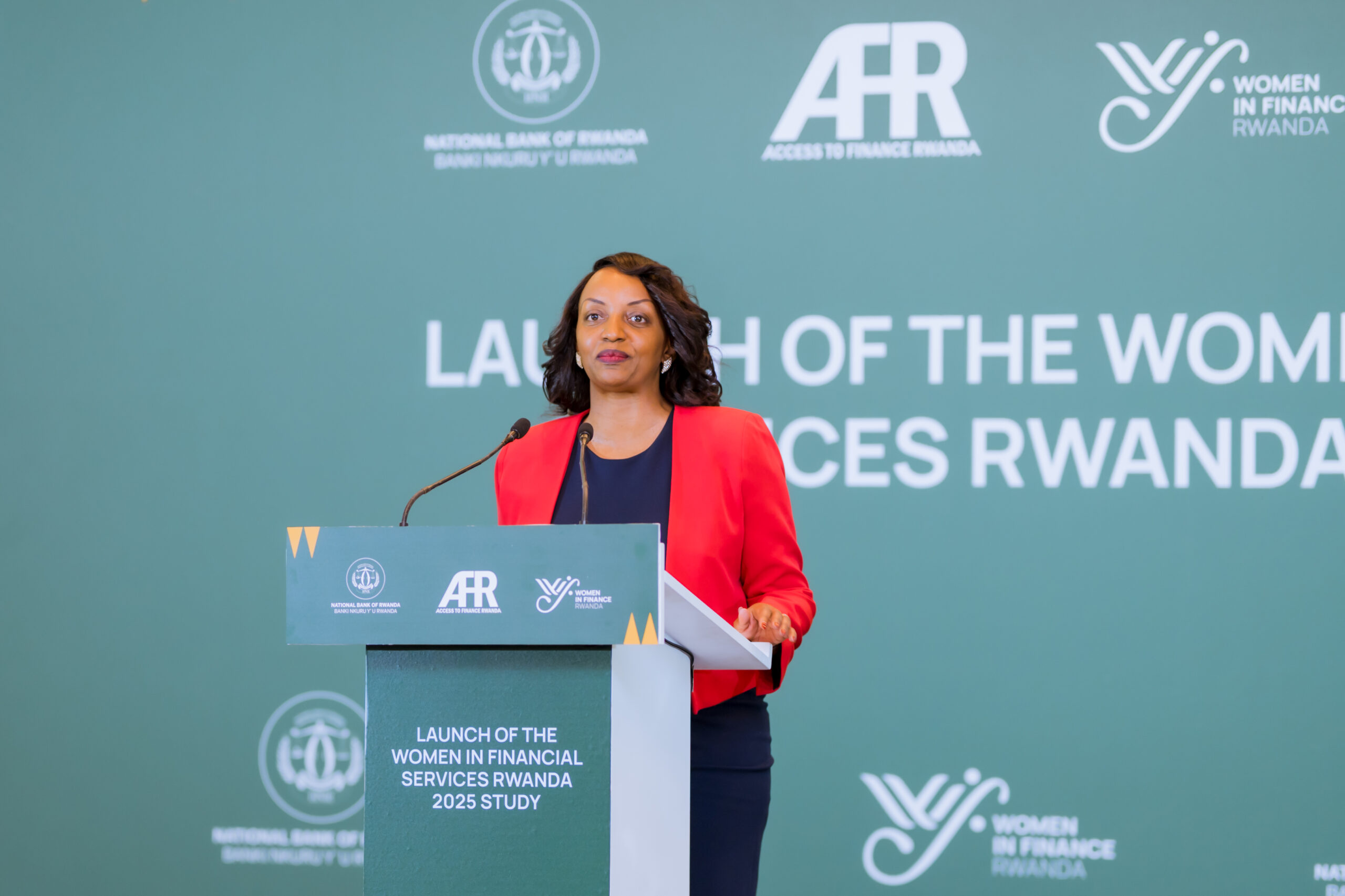
Soraya Hakuziyaremye, Governor, National Bank of Rwanda
“When institutions invest together, everyone scales. Junior ExCos scale leadership. Shared ECD Centres scale opportunity. Together, they transform economies of scale into economies of talent.
The launch of the Women in Financial Services Rwanda 2025 Study is an important milestone because, for the first time, we have a comprehensive, evidence-based picture of how women are participating, advancing, and leading Rwanda’s financial sector.”
The Governor opened the event by highlighting the importance of collective action in accelerating women’s leadership across Rwanda’s financial sector. She emphasized that sustainable progress depends on institutions working together to develop future leaders, strengthen leadership pathways, and create opportunities that allow talent to flourish.
A Call for Collective Action
Throughout her keynote address, the Governor encouraged leaders across Rwanda’s financial sector to move beyond celebrating progress and focus on building systems that develop future women leaders. She emphasized that collaboration between institutions, investment in leadership development, and evidence-based decision-making will be essential to sustaining Rwanda’s leadership in gender inclusion.
The Governor also noted that the Women in Financial Services Rwanda 2025 Study provides an important baseline for measuring progress and strengthening institutional accountability across the sector.
Read the Governor’s Full Address
For the complete keynote speech delivered by Governor Soraya Hakuziyaremye during the launch of the Women in Financial Services Rwanda 2025 Study, read the full address below.
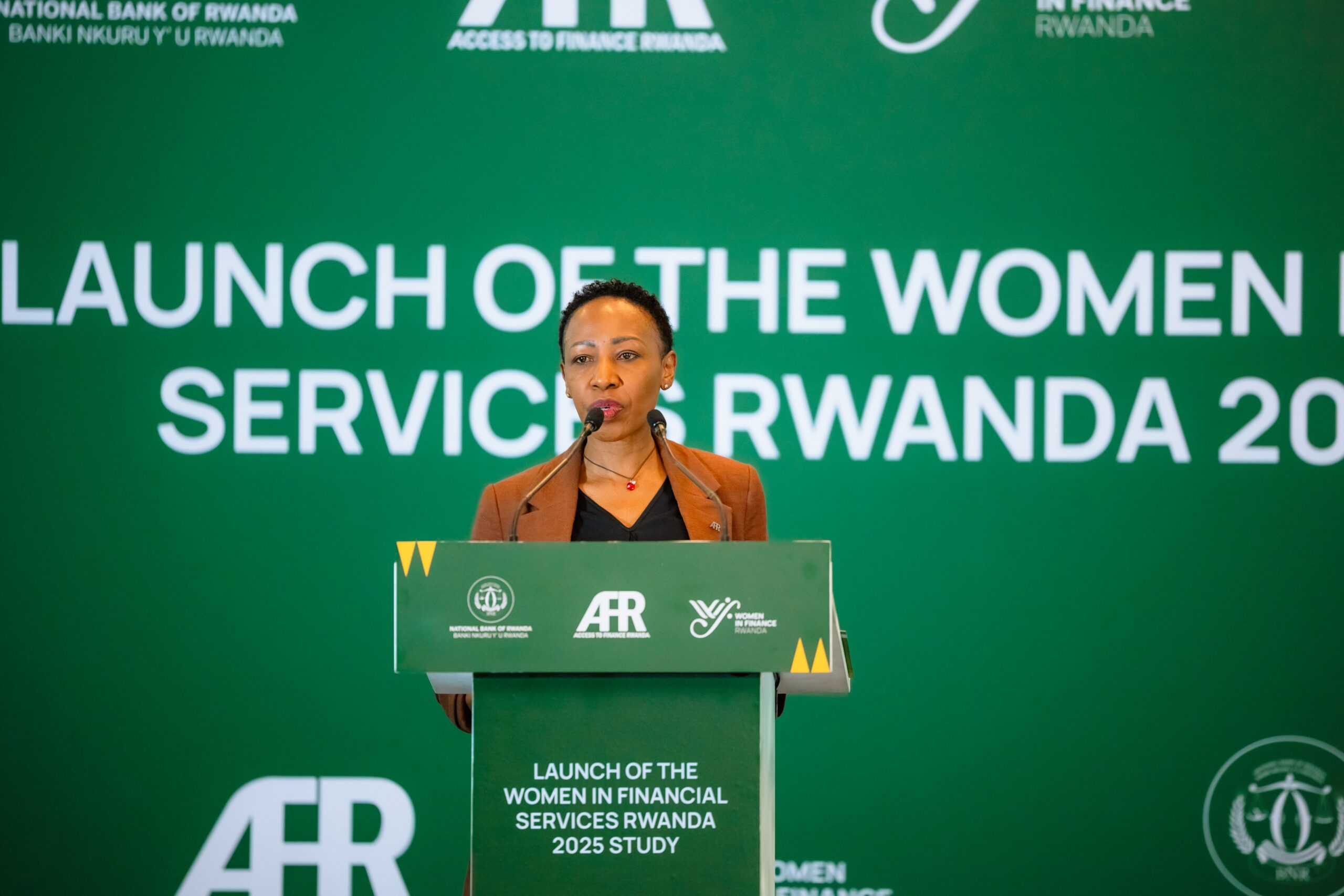
Agnès Uwanyiligira, Acting Chief Executive Officer, Access to Finance Rwanda
“Women’s economic participation is directly linked to the resilience and competitiveness of our financial sector. This study provides evidence that can help institutions take more deliberate and measurable actions.”
Building on the Governor’s message, Agnès Uwanyiligira emphasized the value of reliable data in shaping policies and institutional decisions that create more inclusive financial workplaces and stronger economic outcomes.
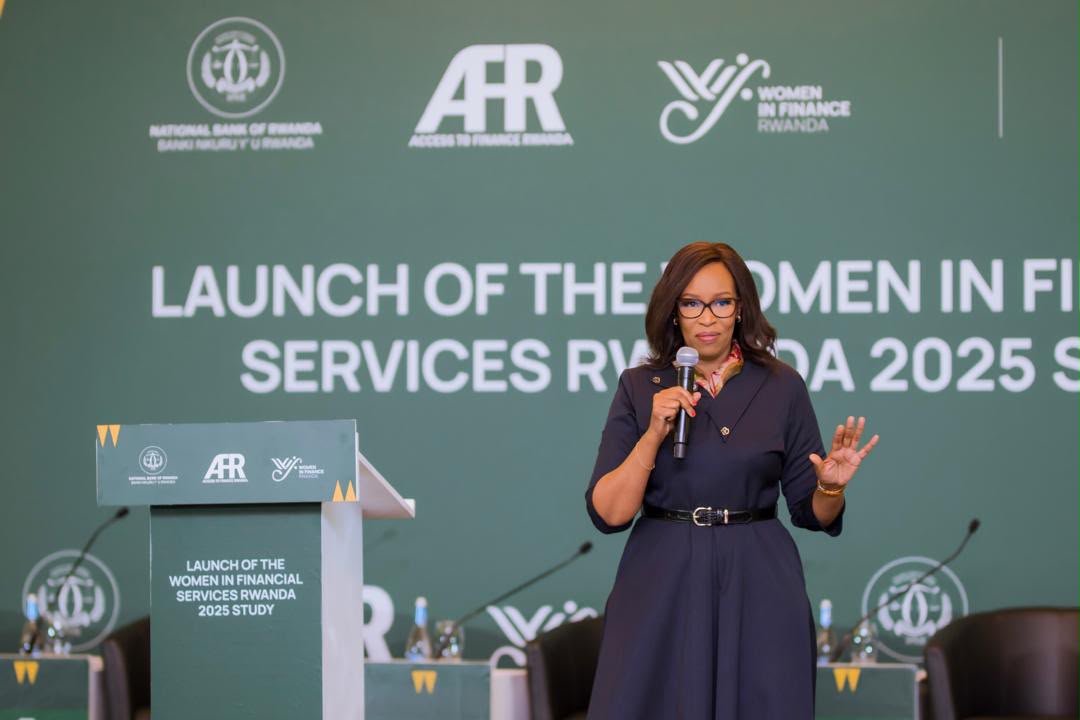
Lina Higiro, Founding Chair, Women in Finance Rwanda Foundation
“The gains we are seeing are encouraging, but sustaining them will require stronger leadership commitment, active sponsorship, and greater transparency in measuring progress. Rwanda has shown what is possible at the top; the next step is ensuring that more women successfully navigate the journey to leadership.”
Lina Higiro concluded the leadership perspectives by calling for sustained collaboration and accountability across the financial sector to ensure that women continue progressing into senior leadership roles.
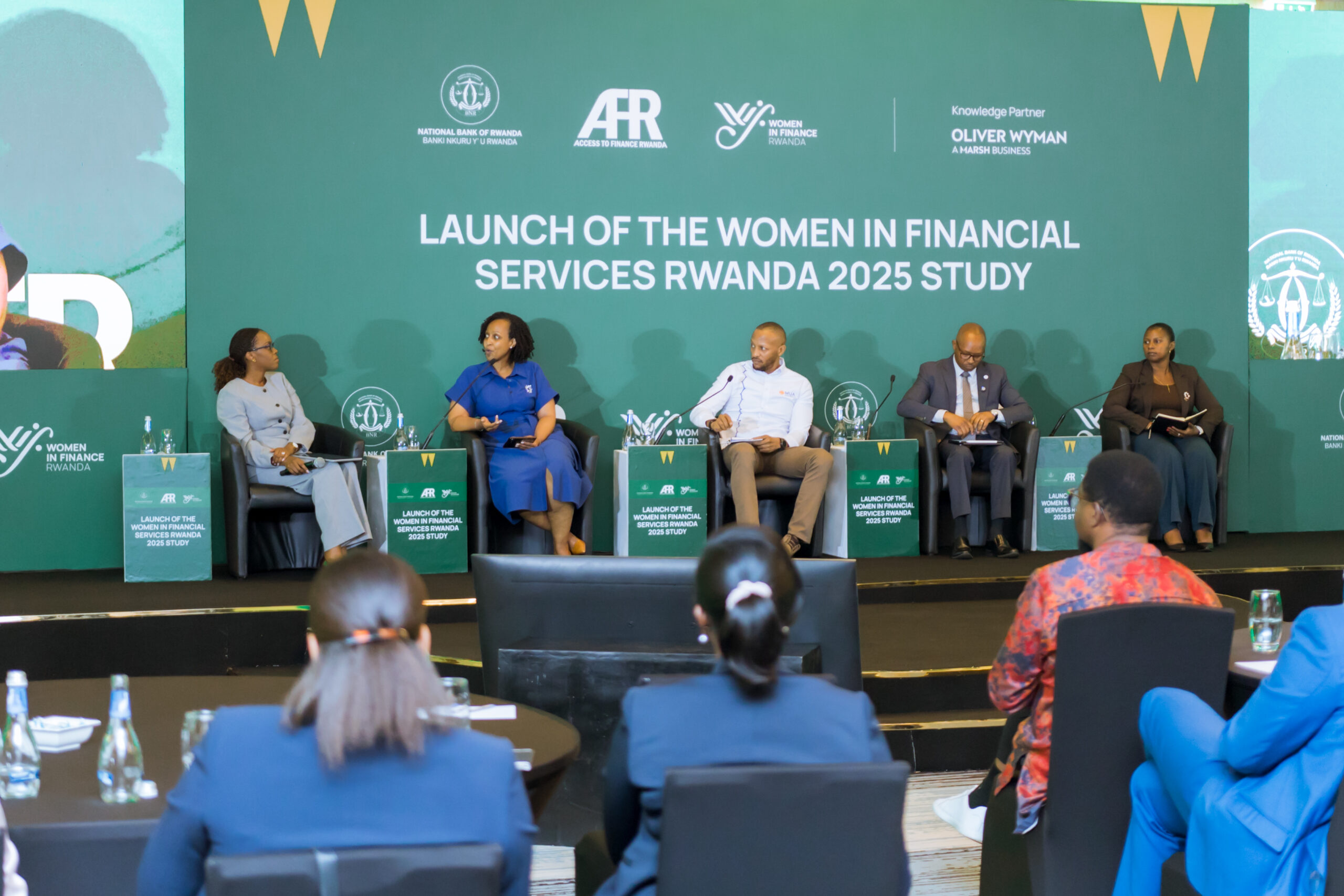
Panel Discussion featuring leaders from Rwanda’s financial sector
The event continued with a panel discussion where leaders from financial institutions, regulators, development partners, and industry stakeholders examined the study’s findings and explored practical ways to strengthen women’s leadership pathways across Rwanda’s financial sector.
A Landmark Study for Rwanda
The Women in Financial Services Rwanda 2025 Study provides an evidence-based snapshot of gender representation across Rwanda’s financial services industry. Drawing on workforce data from more than 50 financial institutions and insights from over 1,500 professionals, the report examines representation, career progression, workplace experiences, and the barriers and enablers that shape women’s advancement into leadership.
The findings reveal that Rwanda performs above global averages in women’s representation at senior leadership levels. Women currently hold 39% of Board seats, 39% of Chief Executive Officer and Managing Director positions, and 35% of Executive Committee roles, demonstrating Rwanda’s continued leadership in promoting women’s participation across the financial sector.
At the same time, the study highlights opportunities to strengthen the leadership pipeline. Women’s representation gradually declines throughout the career journey, reinforcing the importance of sustained investment in leadership development, sponsorship, and inclusive workplace practices that support women at every stage of their careers.


Leave A Comment